 Skip to content
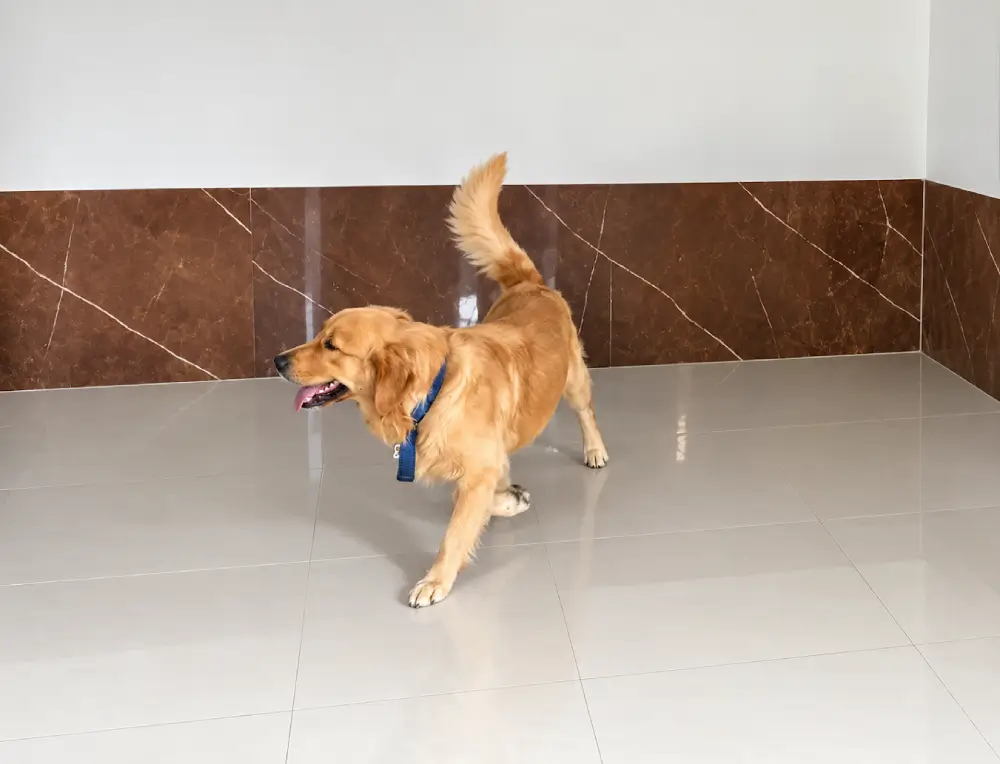
Dog separation anxiety can make an upcoming boarding stay stressful for pet parents before the trip has even begun. If they follow you from room to room, become unsettled when you leave, or have never spent a night away from you, it is natural to worry about how they will cope with boarding.
The reassuring part is that needing time to adjust does not automatically mean your dog will have a bad boarding experience. Gradual preparation, familiar routines and attentive care can make the transition much easier. Understanding dog separation anxiety also helps you recognise what your dog may need before you drop them off.
What is Dog Separation Anxiety?
Separation anxiety is distress that appears when a dog is apart from the person or people they are strongly attached to. Canine separation anxiety can look different from one dog to another: some become restless or vocal, while others may struggle to eat, relax or engage with their surroundings.
A dog looking back at you during drop-off or taking a little time to explore a new place does not automatically have separation anxiety. The stronger sign is a repeated pattern of significant distress whenever they are left alone or separated from you.
Signs Your Dog May Have Separation Anxiety
Knowing what your dog does when you leave home can help the boarding team understand how they may respond during the first few hours of a stay.
Pacing
An anxious dog may pace repeatedly, return to doors or windows, or struggle to settle. Some exploration is normal in a new environment, but constant pacing can suggest that your dog is finding it difficult to relax.
Excessive Barking
A few barks when you leave are not unusual. Persistent barking, whining or howling that continues after the separation may indicate that your dog is struggling rather than simply protesting for a moment.
Destructive Chewing
Dogs experiencing separation-related distress may chew bedding, furniture or objects near exits. If your dog has done this when left alone at home, tell the boarding team before the stay.
Drooling
Heavy drooling or panting can sometimes accompany anxiety, particularly when it repeatedly appears around departures and cannot be explained by exercise or warm weather.
Trying to Escape
Scratching at doors, pushing against barriers or repeatedly searching for a way out can indicate stronger distress. Previous escape attempts are especially important for caregivers to know about in advance.
Why Dog Separation Anxiety Can Become More Noticeable During Boarding
Boarding changes several familiar things at once. Your dog is temporarily away from you, sleeping somewhere new and surrounded by different people, smells, sounds and possibly other dogs. Their normal meal, play, and bedtime routine may also look slightly different.
Dog separation anxiety while boarding can therefore become more noticeable, particularly in dogs that already find separation difficult.
However, taking time to settle is not the same as remaining distressed throughout the stay. A dog that gradually begins eating, resting, exploring, interacting with caregivers or showing interest in play is starting to understand that the new environment is safe.
How to Prepare Your Dog Before Boarding
If you are wondering how to calm a dog with separation anxiety before boarding, the most useful preparation starts before drop-off day. The aim is not to stop your dog from missing you; it is to help them become more comfortable spending time apart.
Practice Short Separations
If your dog is rarely away from you, several nights of boarding should ideally not be their first long separation.
Start with shorter periods apart. Let them spend time with another trusted person or gradually extend how long they are comfortable staying without you. Keep departures and returns calm so being apart does not always feel like a major event.
For some dogs, a short daycare visit before an overnight boarding stay can also provide a gentler introduction to spending time in a supervised environment away from home.
These smaller experiences help your dog learn a simple pattern: you leave, they remain safe, and you come back.
Bring Familiar Bedding or Toys
If the facility allows personal items, familiar bedding or a comfort item can make a new environment feel less strange.
You should also tell the care team about your dog’s normal routine, including meal habits, sleeping preferences, activity level, comfort around other dogs and anything that usually helps them settle.
If your dog has previously refused food, barked continuously, tried to escape or become highly distressed when left alone, share that information before the stay. It allows the team to prepare for your dog’s actual needs rather than discovering important behaviours after you have left.
Keep Goodbyes Calm
A long, emotional farewell may feel comforting to you, but it can sometimes make departure feel like a much bigger event for your dog.
Give them affection, speak normally, pass important information to the team and allow the caregivers to begin engaging with them. A calm handover can help your dog shift their attention from you leaving to what is happening around them.
How Doggy Ville Helps Dogs Settle In
Supporting Dogs With Separation Anxiety During Boarding
Dogs experiencing dog separation anxiety may need more time, reassurance and observation when they first arrive. At Doggy Ville, caregivers pay attention to how each dog is settling in rather than expecting every guest to become comfortable at the same pace.
Cage-Free Space and Personal Attention
Doggy Ville’s cage-free boarding gives dogs space to move, rest, play and settle at their own pace, while caregivers remain attentive to whether a dog is ready for social interaction or would benefit from more reassurance and quiet time.
A Structured Daily Routine
A predictable routine can help a new environment feel less overwhelming. Supervised activities, rest periods and appropriate socialisation give dogs positive experiences to focus on as they adjust to being away from home.
Reassurance for Pet Parents
Regular photo updates help pet parents see how their dog is settling in instead of having to guess. Doggy Ville also provides in-house veterinary support during boarding, adding another layer of care while dogs are away from their families.
What to Do After You Pick Your Dog Up
Your dog may be extremely excited to see you, but once you get home, give them time to decompress.
Boarding can be more stimulating than an ordinary day at home. Some dogs may sleep more after returning, while others may want to stay particularly close to their family for a short time. Neither reaction automatically means the stay went badly.
Return to familiar meals, walks and sleeping routines. It is also worth asking the boarding team how your dog settled, whether they ate normally, what they enjoyed and how they interacted. That information can make a future boarding stay even easier.
Frequently Asked Questions
How do I know if my dog has separation anxiety?
Look for a repeated pattern of significant distress specifically connected with being left alone. Persistent barking, pacing, destructive behaviour, excessive drooling or escape attempts may be signs.
A dog simply following you around or taking a little time to settle at boarding does not automatically have separation anxiety.
Can boarding make dog separation anxiety worse?
A new environment can initially be more challenging for a dog that already struggles with separation, but boarding does not automatically make the problem worse.
Gradual preparation, a predictable routine, attentive caregivers and time to adjust can all make the experience easier. The most important step is telling the boarding team about your dog’s existing behaviour before the stay.
How long does it take a dog to settle into boarding?
There is no single timeline. Some dogs become comfortable quickly, while first-time guests or dogs that struggle with separation may need longer.
Rather than focusing only on the number of hours, look for signs such as eating, resting, exploring, interacting with caregivers or beginning to enjoy activities.
Should I visit my dog during a boarding stay?
A visit may reassure you, but it is not always easier for your dog. If they have started settling, seeing you and then experiencing another goodbye may disrupt that adjustment.
If you are worried, speak with the boarding team first and ask how your dog is eating, sleeping and settling. Updates may give you reassurance without interrupting their new routine.
Book a Stay With Doggy Ville
Feeling nervous about leaving your dog does not mean you have to avoid boarding. Thoughtful preparation, clear communication about their habits and a care environment that respects their individual pace can make time apart easier for both of you.
If this is your dog’s first boarding stay, tell the Doggy Ville team about their personality, normal routine and how they usually respond when you leave. The more the care team understands before drop-off, the better prepared they are to help your dog settle comfortably.