 Skip to content

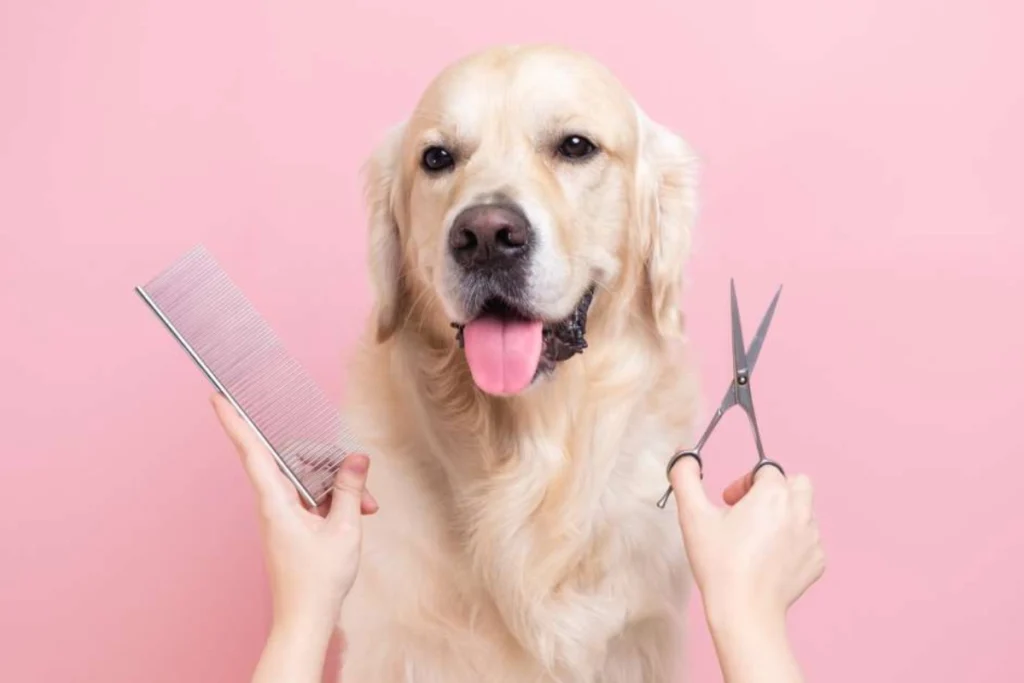
Regular grooming helps keep your dog’s coat clean, skin comfortable, and nails manageable. However, incorrect brushing, unsuitable products, and rushed grooming routines can cause discomfort or irritation.
Understanding dog grooming mistakes can help you build a safer routine at home. Here are nine mistakes to avoid and practical ways to care for your dog’s coat, ears, paws, and teeth.
1. Skipping Regular Brushing
Infrequent brushing can allow loose hair and tangles to accumulate, particularly in long-haired or curly-coated dogs. Severe mats can pull on the skin and become uncomfortable.
Choose a brush suitable for your dog’s coat type and brush often enough to prevent tangles from forming. Pay attention to areas behind the ears, beneath the legs, and around the collar. If mats are tight against the skin, seek professional help rather than pulling or cutting them out yourself.
2. Using Human Shampoo
Human shampoo is not formulated specifically for a dog’s skin and may cause dryness or irritation. Fragrances and other ingredients may also be unsuitable for some dogs.
Use a shampoo designed for dogs and choose products according to your pet’s coat and skin needs. If your dog has persistent itching, redness, or sensitive skin, ask your veterinarian which product is appropriate.
3. Bathing a Matted Coat
Bathing a tangled coat can make mats tighter and more difficult to remove. This can increase pulling on the skin and make grooming uncomfortable.
Before bathing, gently work through manageable tangles with a suitable brush or comb. Never force a tool through a mat. If the coat is severely tangled, have a professional groomer assess it before bathing.
4. Overbathing or Rinsing Incompletely
Bathing too frequently can strip natural oils from your dog’s coat and contribute to dry or irritated skin. Leaving shampoo residue behind can also cause itching and discomfort.
Bathing frequency depends on coat type, lifestyle, skin condition, and veterinary advice. Use lukewarm water, follow the shampoo instructions, and rinse thoroughly until no product remains. Dry your dog properly afterward, paying attention to areas where moisture can collect.
5. Getting Water Inside the Ears
Water and inappropriate cleaning methods can irritate a dog’s ears. Cleaning too aggressively or inserting cotton swabs into the ear canal can also cause injury.
Keep water away from the ear canals during baths. Clean only the areas recommended by your veterinarian, using an appropriate ear-cleaning product when advised. If you notice redness, an unpleasant smell, discharge, head shaking, or repeated scratching, consult your veterinarian instead of attempting to treat the problem through grooming alone.
6. Cutting Nails Too Short
Trimming nails too close to the quick, the sensitive area containing blood vessels and nerves, can cause pain and bleeding. Overgrown nails can also become uncomfortable and affect walking.
Use suitable nail clippers and remove small amounts at a time. If your dog’s nails are dark, your pet struggles during trimming, or you are unsure where to cut, ask a professional groomer or veterinarian for assistance.
7. Using the Wrong Grooming Tools
Different coat types require different brushes, combs, and grooming methods. A tool that works well for a short, smooth coat may be unsuitable for a dense undercoat or a curly coat.
Choose tools based on your dog’s coat and introduce them gently. Avoid pulling, scraping, or using clippers without understanding how to operate them safely. For help with your pet’s grooming needs, explore our professional dog grooming services.
8. Shaving Double-Coated Dogs Without Advice
Double-coated breeds have an insulating undercoat and a protective outer coat. Shaving this coat unnecessarily can affect its condition and expose the skin to sunburn or other irritation.
Instead, maintain the coat with suitable brushing and de-shedding methods. If the coat is severely matted or your dog has a medical or skin condition, consult a veterinarian or experienced groomer before deciding whether clipping is necessary.
9. Neglecting Teeth and Post-Grooming Care
Grooming should include more than coat maintenance. Neglecting dental hygiene can contribute to plaque buildup and gum disease, while leaving the coat damp or overlooking the paws can cause discomfort.
Brush your dog’s teeth with dog-safe toothpaste and a suitable toothbrush, introducing the routine gradually. After bathing, dry the coat thoroughly and check the paws, skin, and ears for anything unusual. If you notice persistent irritation, swelling, or signs of pain, seek veterinary advice.
Frequently Asked Questions
What are the most common dog grooming mistakes?
Common mistakes include using human shampoo, neglecting brushing, bathing too often, leaving shampoo residue, trimming nails too short, and using unsuitable tools. Grooming methods should match your dog’s coat and individual needs.
How often should I groom my dog?
It depends on your dog’s breed, coat type, lifestyle, and skin condition. Some dogs need frequent brushing, while bathing and professional grooming schedules vary. Follow a routine suited to your dog rather than applying the same schedule to every breed.
Can I groom my dog at home?
Yes. Many routine tasks, including brushing, bathing, and basic dental care, can be done at home with appropriate tools and gentle handling. Seek professional help for severe mats, difficult nail trims, or grooming tasks you are not confident performing safely.
When should I choose professional dog grooming?
Consider professional grooming if your dog’s coat is heavily matted, their nails are difficult to trim, or you are unsure which tools and techniques to use. Professional help can also be useful when your dog finds grooming stressful.
Make Grooming More Comfortable for Your Dog
Avoiding dog grooming mistakes starts with choosing suitable products, using the right tools, and keeping grooming gentle and consistent. Pay attention to your dog’s comfort and seek professional or veterinary advice when a grooming concern goes beyond routine care.