 Skip to content
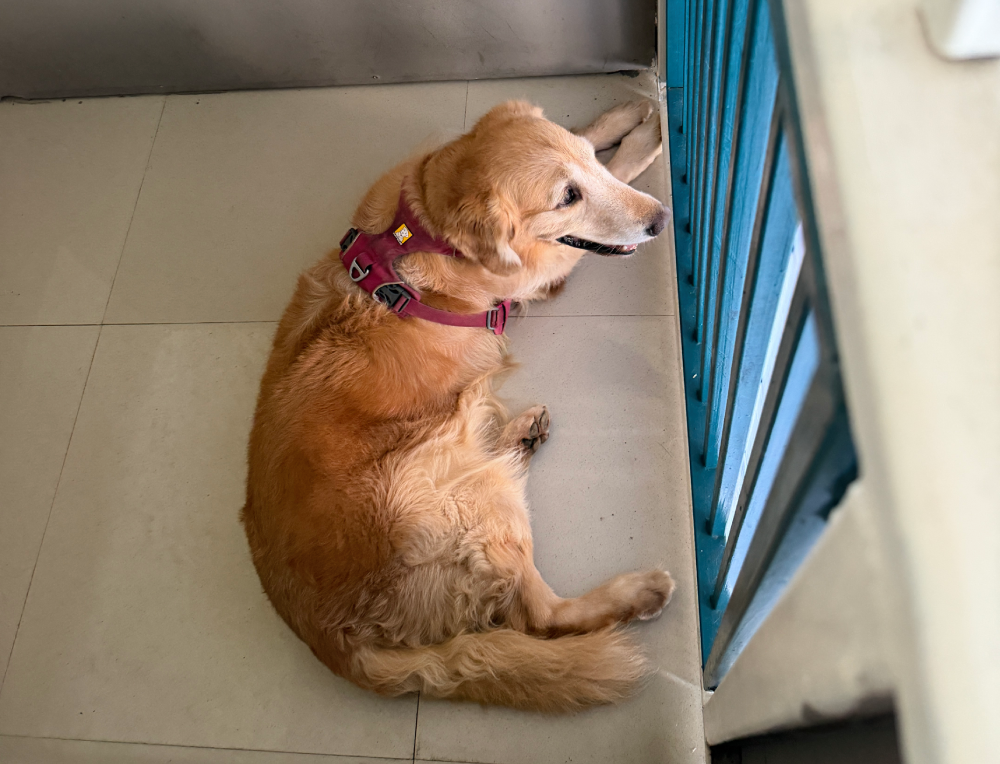
The Indie dog breed has long been part of everyday life in India, and more families are now recognising these intelligent, adaptable dogs as companions who can become an important part of the family.
If you are considering bringing home an Indie dog breed, you may still have practical questions. What are Indies actually like to live with? Are they easy to train? Can they adjust to an apartment? How much grooming do they need? And how do you help a newly adopted dog settle into family life?
The answers depend partly on the individual dog, but understanding some common traits and care needs can help you make a more informed decision.
What is an Indie Dog Breed?
“Indie” is a commonly used name for India’s native or Desi dogs. The term is also often associated with the Indian Pariah Dog or INDog, although dogs described as Indies can differ in appearance, size and background.
You may also come across the search phrase “Indian street dog breed,” but that description tells you more about where a dog may have lived than who the dog is. “Indie” or “Desi dog” is a more useful way to talk about these dogs in the context of adoption and family life.
Similarly, the phrase “Indie dog breed” is widely used online, but Indies should not be thought of as if every dog has one fixed appearance or personality. Coat colour, markings, size and behaviour can vary considerably. Each dog should ultimately be understood as an individual.
Common Traits of Indie Dogs
There is no single personality shared by every Indie. Early experiences, socialisation, environment and the way a dog has been treated all influence behaviour. Still, there are several qualities that pet parents often notice.
Temperament
When people research Indie dog temperament, they sometimes expect a simple answer such as “friendly” or “independent.” In reality, there is a wide range.
Some Indies are immediately social and playful, while others are more observant and cautious around unfamiliar people. A dog that has had limited positive human interaction may need more time to trust than one that has already spent time around families.
Patience matters here. Giving a newly adopted dog a predictable routine and allowing them to approach unfamiliar people at their own pace can help confidence develop naturally.
Intelligence
Indies are often quick to understand routines and learn from their surroundings. That can make training enjoyable, but intelligence does not mean they automatically know what a family expects from them.
Clear cues, consistency and positive reinforcement can help with everyday skills such as recall, leash manners, waiting calmly and responding to basic commands. If you need help establishing those foundations, professional dog training support can give both the dog and the family a clearer way to communicate.
Loyalty
Many Indies form strong bonds once they begin feeling secure with the people around them. That bond may show up as affection, following family members around the house, staying close during walks or simply wanting to know where everyone is.
With a newly adopted dog, it is better to let this relationship develop than to expect immediate attachment. Trust built gradually tends to be more meaningful than forced closeness.
Adaptability
One reason the Indie dog breed appeals to many Indian families is its adaptability. With adequate exercise, rest, training and enrichment, many Indies can settle comfortably into different household environments.
Adaptable, however, does not mean maintenance-free. Indies still need structure, healthcare, quality nutrition and regular interaction just like any other companion dog.
Health and Care Needs of Indie Dog Breed
Indies are often described as hardy, but that should never be interpreted as meaning they do not need regular care.
Diet and Nutrition
Feed a balanced diet suited to your dog’s age, size and activity level. If you are adopting a dog whose previous diet or medical history is unknown, a veterinarian can help you establish an appropriate feeding plan.
Grooming
Many Indies have relatively short coats, which can make routine grooming straightforward. Regular brushing, nail trimming, ear checks and bathing when needed still help keep the dog comfortable.
Vaccination and Preventive Care
Vaccinations, deworming, parasite prevention and routine veterinary checks remain essential. If previous records are unavailable, ask a veterinarian to help establish an appropriate preventive-care schedule.
Exercise and Enrichment
Walks are important, but exercise is not only about covering distance. Sniffing, play, training activities and opportunities to explore all provide useful mental stimulation.
Are Indie Dogs Good Family Pets?
Yes, an Indie dog breed can make a wonderful family companion when the individual dog’s temperament and needs suit the household. A few common assumptions about Indies can make first-time adopters hesitate, so it helps to separate those myths from what actually matters.
Myth: Indie Dogs Are Naturally Aggressive
Reality: Behaviour varies from dog to dog. An Indie’s past experiences, socialisation, health, handling and environment all influence how they respond to people and other animals. A dog that has previously had limited positive human interaction may simply need more time and patient introductions.
Myth: Indie Dogs Cannot Adjust to Indoor Family Life
Reality: Many Indies adapt well to home life once they have a predictable routine, appropriate exercise, a comfortable resting space and consistent boundaries. A dog may need an adjustment period after adoption, but that should not be confused with an inability to live indoors.
Myth: Indie Dogs Do Not Need Much Care
Reality: Being adaptable does not make an Indie maintenance-free. Like any companion dog, they still need balanced nutrition, vaccination, preventive healthcare, exercise, grooming, training and regular interaction.
For families with children, early interactions should be supervised, and children should learn to respect the dog’s space. If there are already pets at home, gradual introductions are usually better than expecting immediate friendship.
Why More Families in India are Choosing to Adopt Indie Dogs
Interest in adopting Indie dogs in India has grown as more families begin looking beyond pedigree and appearance when choosing a companion. Greater awareness of the Indie dog breed has also helped people recognise qualities such as intelligence, adaptability and the ability to form close bonds with a family.
Adoption gives a dog the opportunity to move into a secure home, but it also gives the family a chance to choose based on personality and compatibility rather than a breed label alone.
For many households, practical factors matter too. Indies can have manageable grooming needs, are familiar with Indian conditions, and often respond well to consistent training and enrichment.
The goal, however, should not be to prove that an Indie is “better” than another kind of dog. A responsible decision is about finding a dog whose needs match your household and being prepared for the long-term commitment that comes with bringing any pet home.
Tips for New Indie Dog Owners
Build a Predictable Routine
The first few weeks should be less about trying to create a “perfect” dog and more about helping your new companion understand that life has become predictable. Keep meal, walk, and sleep timings reasonably consistent, and introduce house rules gradually.
Introduce New Experiences Gradually
Traffic, elevators, car journeys, grooming, visitors and unfamiliar dogs may all be completely new to a recently adopted Indie. Socialisation is most useful when the dog can experience new situations without becoming overwhelmed.
Training an Indie Dog Breed
Training an Indie dog breed can begin with simple, practical skills such as responding to their name, walking comfortably on a leash and settling when asked. Positive reinforcement and consistency help the dog understand what is expected without making training feel intimidating.
If you need additional guidance, professional dog training support can help both the dog and family develop clearer communication.
Frequently Asked Questions
Are Indie dogs good with children?
Many Indie dogs can live happily with children, but compatibility depends on the individual dog’s temperament, socialisation and previous experiences. Early interactions should be supervised, and children should be taught to respect the dog’s space rather than hugging, chasing or disturbing them when they want to rest.
Do Indie dogs need special training?
Indies do not require a completely different training system. Clear boundaries, consistency and positive reinforcement provide a strong foundation.
A newly adopted dog may need additional help with areas such as leash walking, confidence, household routines or responding calmly to unfamiliar situations, depending on what they experienced before adoption.
How long do Indie dogs typically live?
There is no fixed lifespan for every Indie dog. Many can live well into their senior years, but longevity varies according to genetics, nutrition, healthcare, environment, body condition and lifestyle.
Rather than relying on one expected number, focus on preventive veterinary care, balanced nutrition, appropriate exercise and maintaining a healthy weight throughout the dog’s life.
Is it better to adopt an Indie dog than buy a breed?
Adoption can be a meaningful way to give a dog a secure home, but the decision does not need to become a competition between Indie dogs and pedigree breeds.
What matters most is choosing responsibly. Consider the individual dog’s temperament and needs, your household, your ability to provide long-term care and whether you are prepared for the responsibilities that come with bringing home a dog.
Partner With Doggy Ville for Your Indie Dog’s Care
Bringing a Desi dog home is only the start of the relationship. Consistent training, new social experiences and a reliable routine can all help an adopted Indie become more comfortable and confident as part of the family.
Doggy Ville’s dog training services use positive, reward-based methods to support skills such as obedience, leash manners and confidence-building while helping pet parents establish clearer communication with their dogs.
As your Indie settles into family life, Doggy Ville can also support their wider routine through grooming, daycare, boarding and other dog-care services available across its locations.