 Skip to content

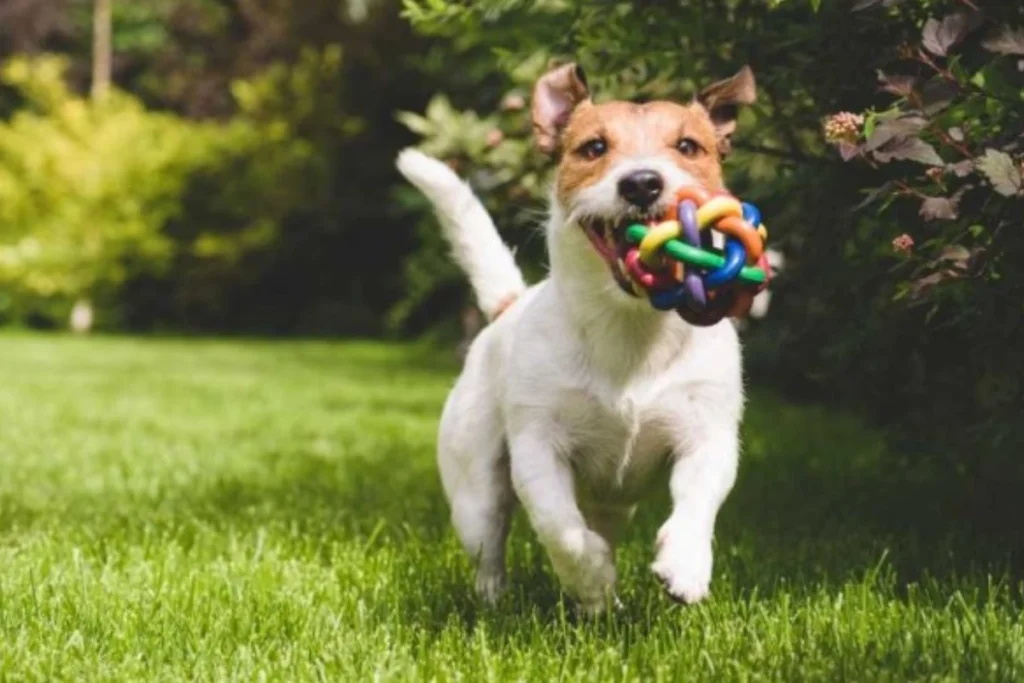
The right dog-friendly backyard ideas can transform an ordinary yard into a safe, engaging space where your dog can play, explore, and relax. Whether you have a spacious garden or a small paved area, thoughtful changes can make your outdoor space more comfortable for your pet.
From secure fencing and suitable ground cover to shaded resting spots and enrichment activities, here are practical ways to create a safe outdoor play area for dogs.
7 Dog-Friendly Backyard Ideas
1. Secure the Boundaries
Start with sturdy fencing and secure gates to prevent your dog from escaping. Check for gaps, loose panels, and openings underneath that your dog could squeeze through or dig beneath. Choose a fence suitable for your dog’s size and jumping ability, and keep garden chemicals and tools safely stored away.
2. Choose Suitable Ground Cover
The right surface can make your backyard more comfortable and easier to maintain.
- Grass: Offers a familiar space for walking and playing, although frequent use can create muddy or worn patches.
- Artificial turf: May simplify maintenance, but choose a well-draining product and check its temperature in hot weather.
- Paved paths: Create clear walking routes, provided the surface is not rough or excessively hot.
- Soil or sand: Can work well in a designated digging area when kept clean and free from hazardous materials.
Inspect outdoor surfaces regularly for sharp objects, loose stones, and other hazards.
3. Create a Shaded Resting Area
Provide a covered patio, canopy, or another secure shaded spot where your dog can rest after playing. Keep fresh drinking water nearby and ensure your dog can move freely between the play area and the shade.
During hot weather, supervise outdoor activity and bring your dog indoors when conditions become uncomfortable.
4. Add a Sniffing and Enrichment Zone
Dogs enjoy exploring their surroundings through smell. Make the space more interesting with supervised scent games, dog toys, or a simple route with different textures.
You can also use raised planters to add greenery, but check that every plant is safe for dogs. Rotate toys and activities occasionally to provide new opportunities for exploration.
5. Set Up a Designated Digging Area
If your dog loves digging, consider creating a dedicated pit filled with clean sand or suitable soil. Place it away from fences, foundations, and delicate plants.
Encourage your dog to use the designated spot through supervised play and rewards. Check the area regularly for debris and other hazards.
6. Include Safe Play Equipment
Depending on your dog’s age, size, and abilities, consider tunnels, stable low platforms, suitable toys, or simple agility obstacles. Leave enough open space for comfortable movement and supervised games of fetch.
Choose sturdy equipment without sharp edges, introduce new obstacles gradually, and avoid activities that could strain puppies, senior dogs, or dogs with mobility concerns.
7. Keep Fresh Water Accessible
Place a stable water bowl in a shaded, accessible location and refill it regularly. Clean the bowl frequently, especially during warm weather, and check that your dog has access to fresh water throughout outdoor play.
How to Make a Small Backyard Safe for Dogs
You don’t need a large lawn to put practical dog-friendly backyard ideas into action. If you have a compact yard or paved outdoor area, focus on secure boundaries, a shaded resting spot, fresh water, and a clear space for movement.
A few supervised scent games and suitable toys can provide enrichment without requiring extensive equipment. Remember that a backyard should complement your dog’s regular walks, exercise, and social interaction rather than replace them.
Backyard Hazards to Check
Before letting your dog play outside, inspect the space for common hazards:
- Toxic plants: Identify garden plants and verify their safety for dogs.
- Garden chemicals: Store fertilisers, pesticides, and weed killers securely.
- Sharp objects: Remove broken branches, exposed nails, and discarded tools.
- Escape routes: Check fence gaps, gates, and places where your dog may dig underneath.
- Heat and dehydration: Check ground temperatures and provide shade and fresh water.
Supervise your dog outdoors, particularly when introducing new plants, surfaces, toys, or equipment. If you suspect your dog has eaten a toxic plant or chemical, contact a veterinarian promptly.
Frequently Asked Questions
What are the best dog-friendly backyard ideas for a small space?
Prioritise secure boundaries, shade, fresh water, comfortable surfaces, and simple enrichment activities. Scent games and a small designated play area can make limited space more engaging.
What type of ground cover is best for dogs?
The best choice depends on your dog’s habits, local climate, and maintenance needs. Grass, suitable artificial turf, and well-maintained paved paths can all work in different settings. Check surface temperatures and avoid materials that could injure your dog’s paws.
How can I stop my dog from digging up the garden?
Create a designated digging pit and encourage your dog to use it through supervised play and rewards. Providing sufficient exercise and enrichment may also help address boredom-related digging.
Which plants should I avoid in a dog-friendly garden?
Some plants, including oleander, foxglove, and sago palm, can be dangerous to dogs. Verify the identity and toxicity of plants before adding them to your garden, and keep hazardous plants out of your dog’s reach.
Is it safe to leave a dog alone in the backyard?
A secure fence does not eliminate every risk. Weather, escape attempts, injuries, and exposure to hazardous substances can still occur. Supervise outdoor activity and avoid leaving your dog unattended for extended periods.
Create a Backyard Your Dog Can Enjoy
A well-planned outdoor space combines safety, comfort, and opportunities for natural canine behaviours. By securing boundaries, choosing suitable surfaces, providing shade and water, and adding enrichment activities, new dog owners can create an outdoor area that better suits your dog’s needs.
Start with the essentials and adapt the space to your dog’s size, age, and favourite activities.